The material edit
The return of the handmade
Nov 9, 2022
Why crafted imperfection is reshaping modern interiors.
In a design world dominated by precision and polish, there’s a quiet shift happening—a return to the irregular, the tactile, the human-made. We’re seeing clay pots with fingerprints, handwoven fabrics with variation, wooden pieces with uneven grain. This isn’t nostalgia. It’s a recalibration.
A Response to uniformity
Mass production brought efficiency, but also sameness. In seeking speed and perfection, design lost some of its soul. The handmade object, by contrast, carries the story of time—of process, of presence. It breaks the monotony, not through boldness, but through authenticity.
Texture as memory
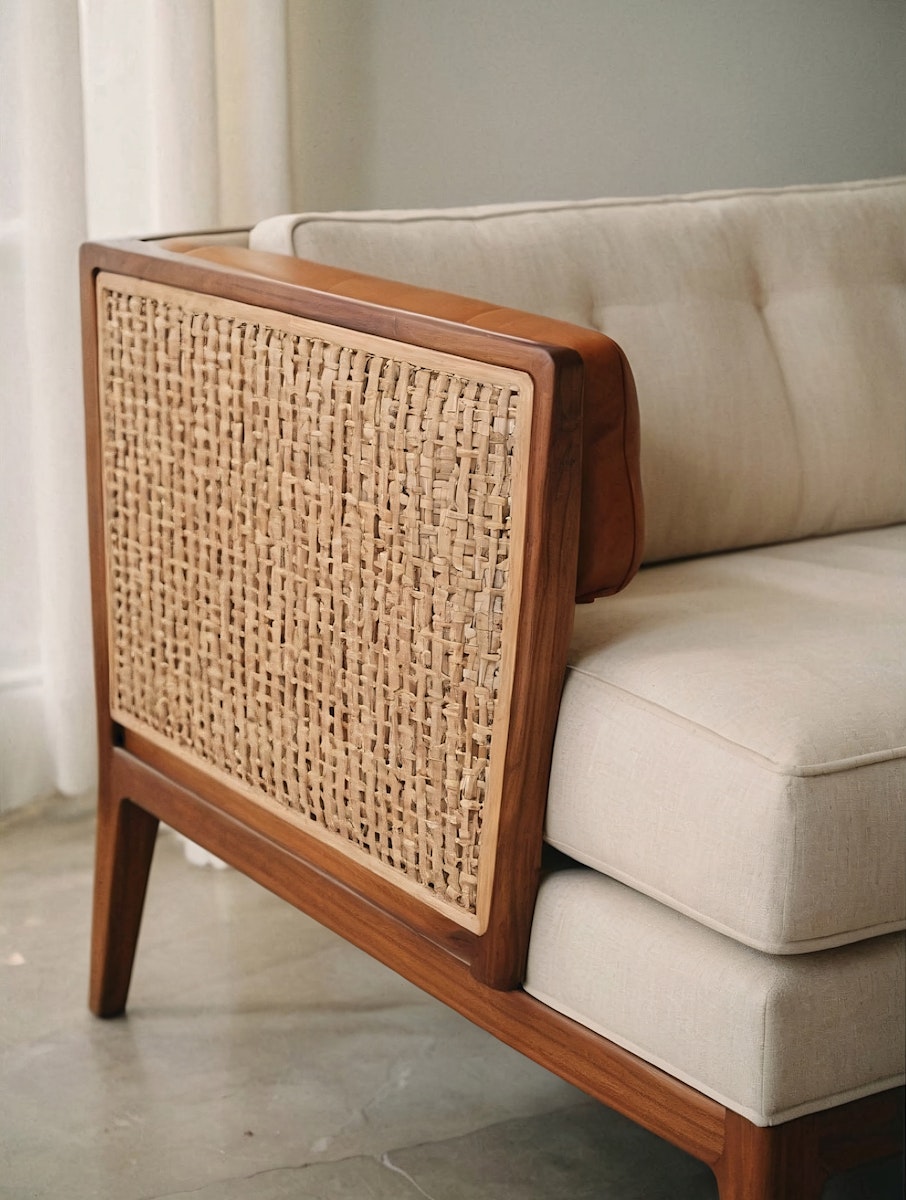
A ceramic bowl with uneven glaze reminds us of the hand that shaped it. A woven seat creaks with life. These details evoke memory, even in modern settings. They make a space feel rooted—lived-in from the first moment.
Designing with intentional imperfection
Incorporating handmade pieces into a contemporary interior isn’t about cluttering a space—it’s about anchoring it. One well-placed artisan stool or a single handwoven wall hanging can bring warmth and individuality to a minimal room.
Conclusion: Craft is the new luxury
In today’s interiors, luxury isn’t glossy. It’s grounded. As clients seek deeper connection to their spaces, designers are returning to materials—and makers—that embody slow, meaningful work. The handmade isn’t a trend. It’s a quiet rebellion.
Previous article