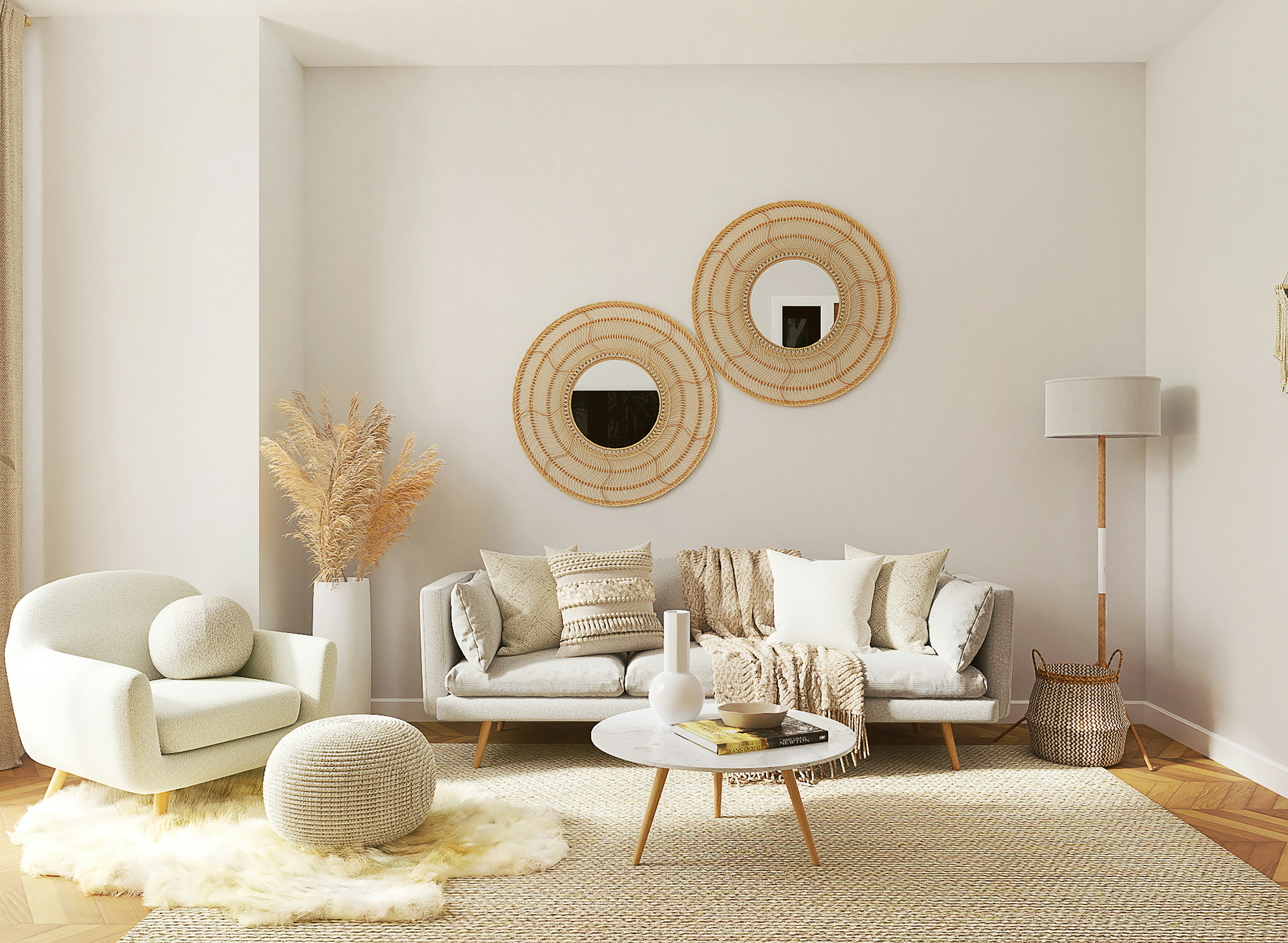
Light and space
Lighting for mood
Sep 1, 2025
Designing spaces where light speaks before furniture does.
Too often, lighting is treated as an afterthought—functional, secondary, installed late. But light is the first thing we feel when entering a space. It determines how we see, how we move, how we respond. In high-end interiors, lighting is not just utility—it’s mood, rhythm, and atmosphere.
The layered approach
The most emotionally resonant interiors use layered lighting: ambient, task, and accent. This triad gives a room range, allowing it to shift from productive to intimate with a single dimmer slide. Think a soft wall wash at night, versus crisp downlighting by day.
Natural light as priority
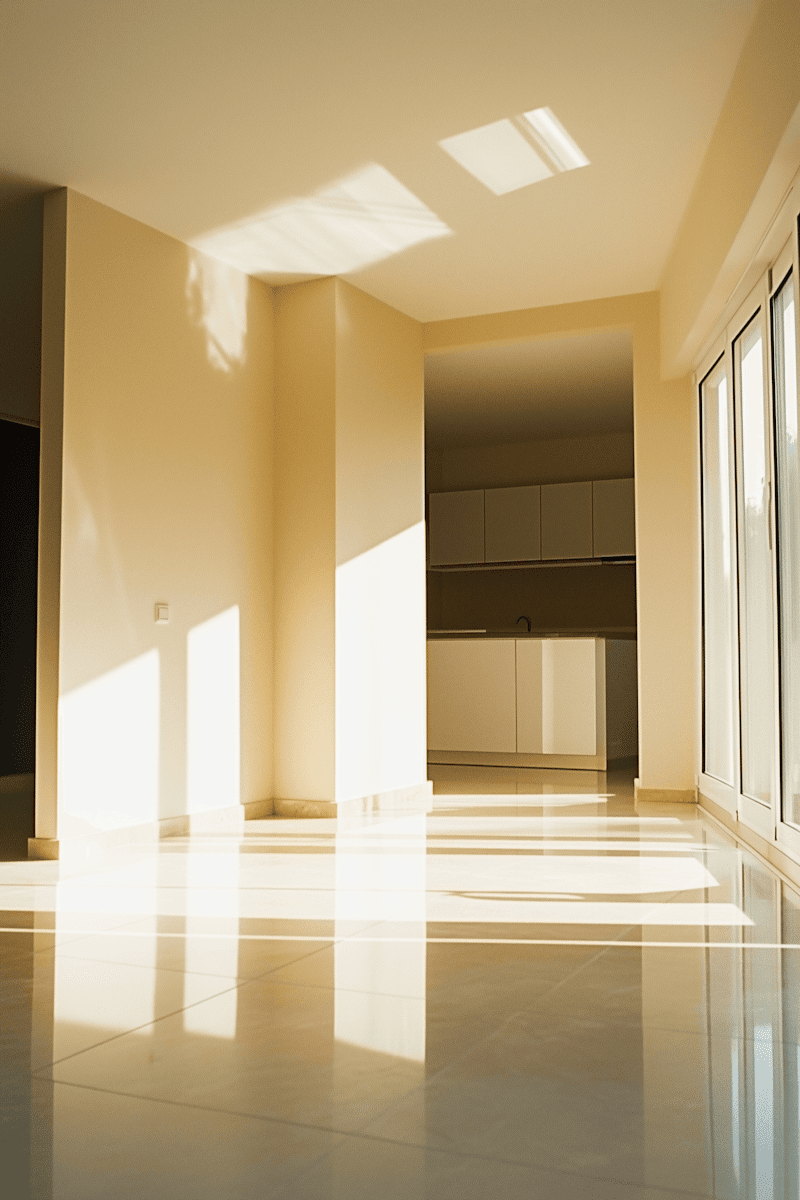
Nothing beats the clarity and calm of daylight. Orienting rooms toward natural light sources, using sheer drapery, and designing around window rhythms creates spaces that feel alive. Light is never static—and your design shouldn't be either.
The sculptural fixture
Beyond illumination, a well-chosen fixture can act as sculpture. A suspended pendant, a linear sconce, or a statement floor lamp can define a room more than a couch ever could. When thoughtfully placed, it doesn’t compete—it composes.
Conclusion: Light as language
Lighting isn’t technical—it’s emotional. It's how a space greets you. It holds time. It sets intention. When done well, it disappears—and yet it’s the very thing that shapes the feeling you can’t quite name.
Previous article
Next article