Form & feeling
Designing for the senses
Mar 12, 2025
When interiors become immersive experiences.
Good design doesn’t stop at what we see—it begins there. A truly impactful space speaks to all five senses. It invites us to touch, to listen, to breathe it in. These multisensory moments don’t shout; they anchor us in place.
Touch: The first language
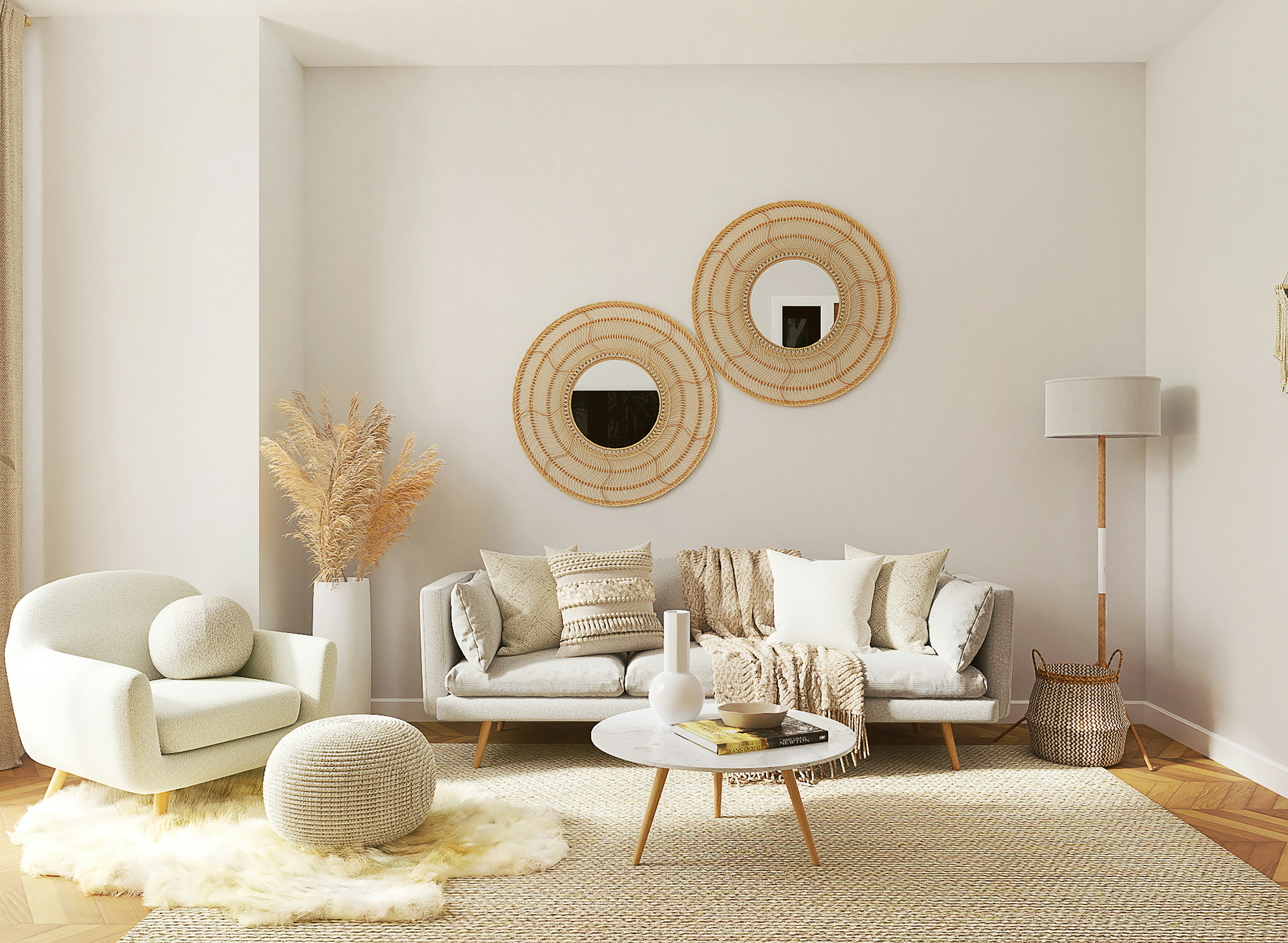
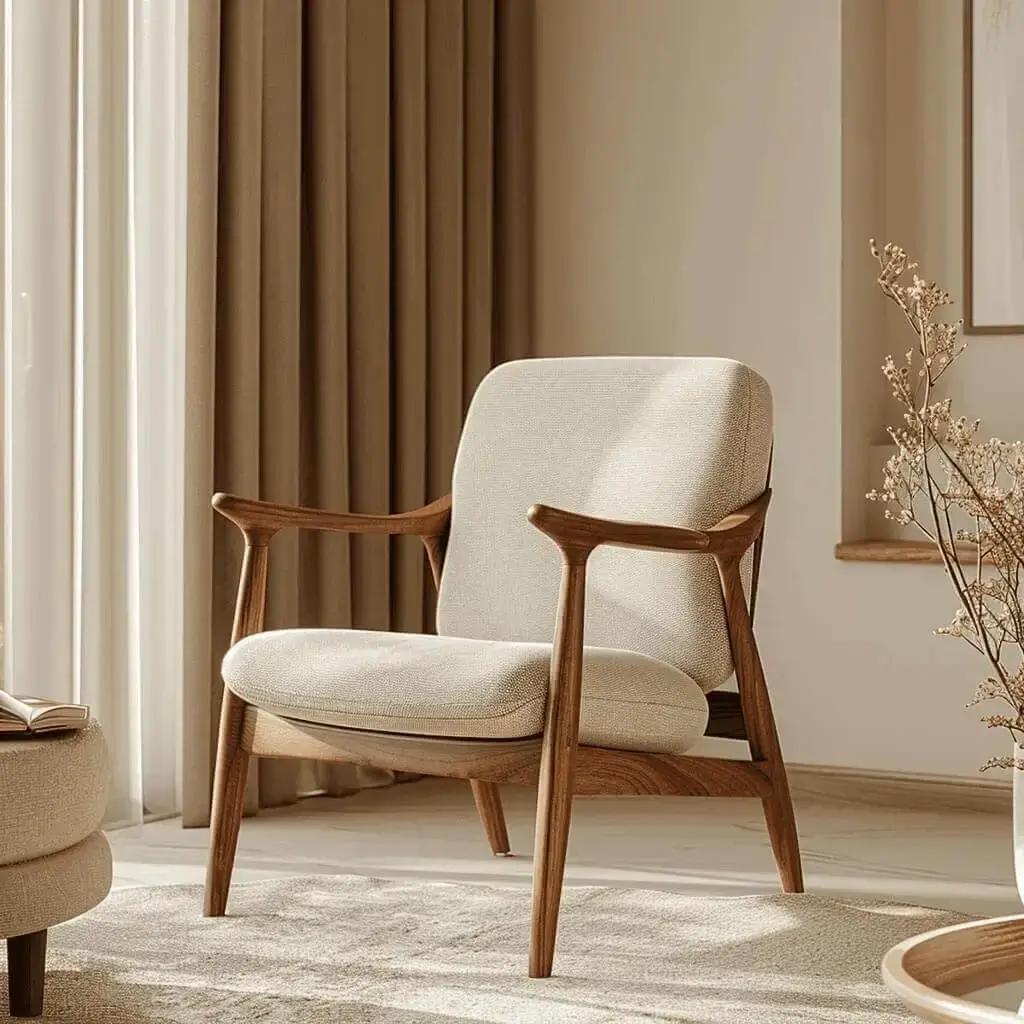
Before sight, we knew the world through texture. Smooth marble, coarse linen, the grain of unfinished wood—these surfaces communicate before a single word is said. Layering materials with intentional contrast adds depth and tactile clarity.
Sound: Shaping silence
Acoustics in design are often overlooked. But consider the quiet hum of a well-padded hallway or the muffled echo of a spacious room. Rugs, soft furnishings, and even wall finishes all contribute to the soundscape of a space—and its sense of peace.
Scent & atmosphere
Scents tie memory to place. A hint of cedar, burning sage, or dried florals can transform the emotional tone of a room. Consider natural ventilation and subtle scent cues as part of your spatial vocabulary.
Conclusion: Sensory design as presence
When a space engages more than your eyes, it becomes harder to forget. Multisensory design doesn’t require more—it requires attention. And
Previous article
Next article