Form & feeling
The Architecture of pause
Feb 24, 2024
Why slow moments deserve their own spatial design.
Modern life rarely slows down. But well-designed interiors can prompt pause—quiet corners, thoughtful transitions, places to linger. These pauses are not just functional breaks—they are designed rituals that shape how we move through the world.
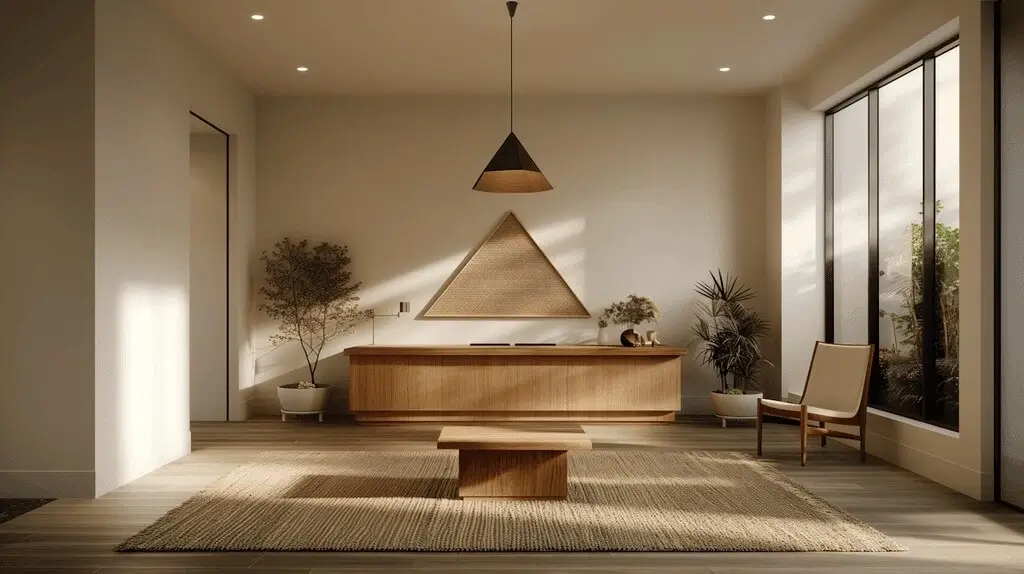
Thresholds as Moments
The spaces between—doorways, stair landings, vestibules—are often neglected. Yet they are opportunities. A change in material, a soft bench, or curated lighting can turn a transition into a pause. These spaces become breaths between the chapters.
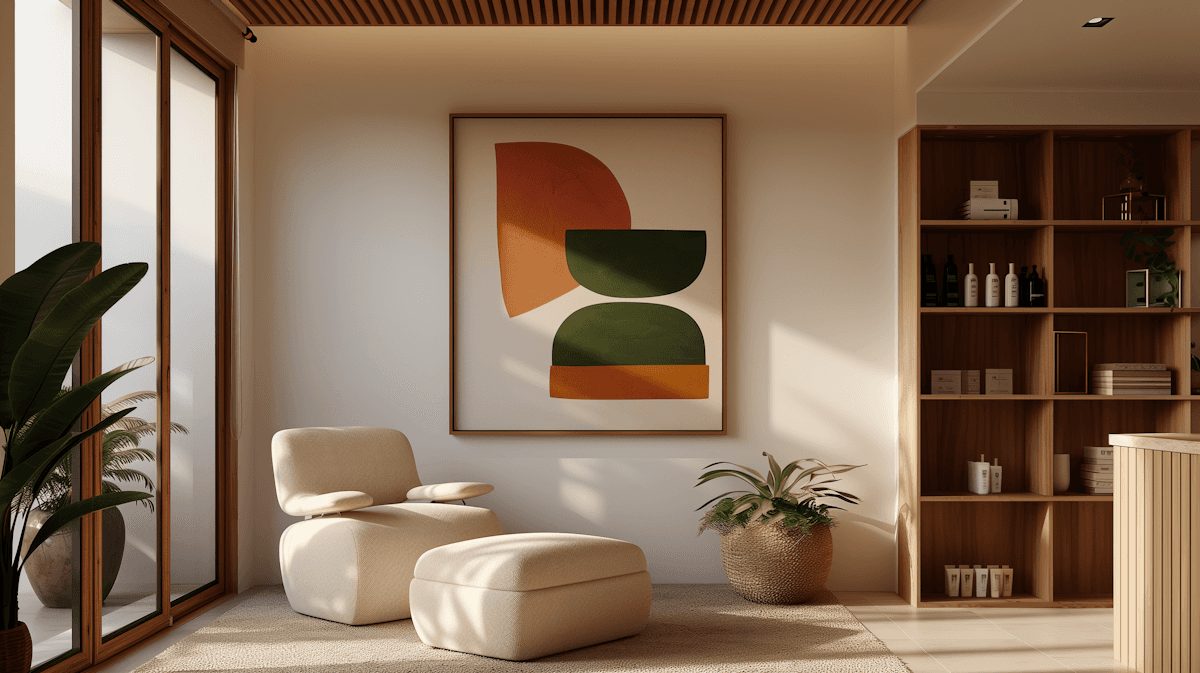
Nooks for Reflection
Incorporating alcoves, reading corners, or built-in window seats encourages stillness. These aren't leftovers—they are intentional frames for solitude. As designers, creating spaces that hold quiet is just as important as those that host conversation.
Designing the “In-Between”
Not every area must shout purpose. In fact, the most meaningful places are often those that feel open—unassigned. Pausing doesn’t always mean stopping; it can mean observing, feeling, or simply existing.
Conclusion: The Pause is Part of the Flow
Design is rhythm. And rhythm needs rest. By honoring pause as part of the architecture, we invite people to inhabit space more mindfully—and more fully.
Previous article
Next article