Form & feeling
Why silence is a design tool
Jun 6, 2022
In a world of noise, the quietest spaces speak the loudest.
We live in a time of sensory excess—scrolling feeds, ambient alerts, overlapping conversations. In this landscape, silence is no longer passive; it’s intentional. In interior design, silence isn’t just the absence of sound—it’s the atmosphere created when form, light, and material come together without demanding attention.
The quiet of less
Minimalism is often misunderstood as cold or empty. But in truth, minimal design can hold profound emotional warmth—when approached as a tool for clarity. Fewer visual stimuli allow the mind to breathe. Negative space becomes a canvas for thought. A restrained palette, thoughtfully layered, can anchor us in the present moment.
Texture over volume
Quiet interiors often trade visual noise for tactile richness. Think raw linen, hand-troweled plaster, lightly oiled oak. These materials don’t scream—they whisper. They invite you to lean in, to touch, to feel. Silence in design is sensual, not sterile.
Light as dialogue
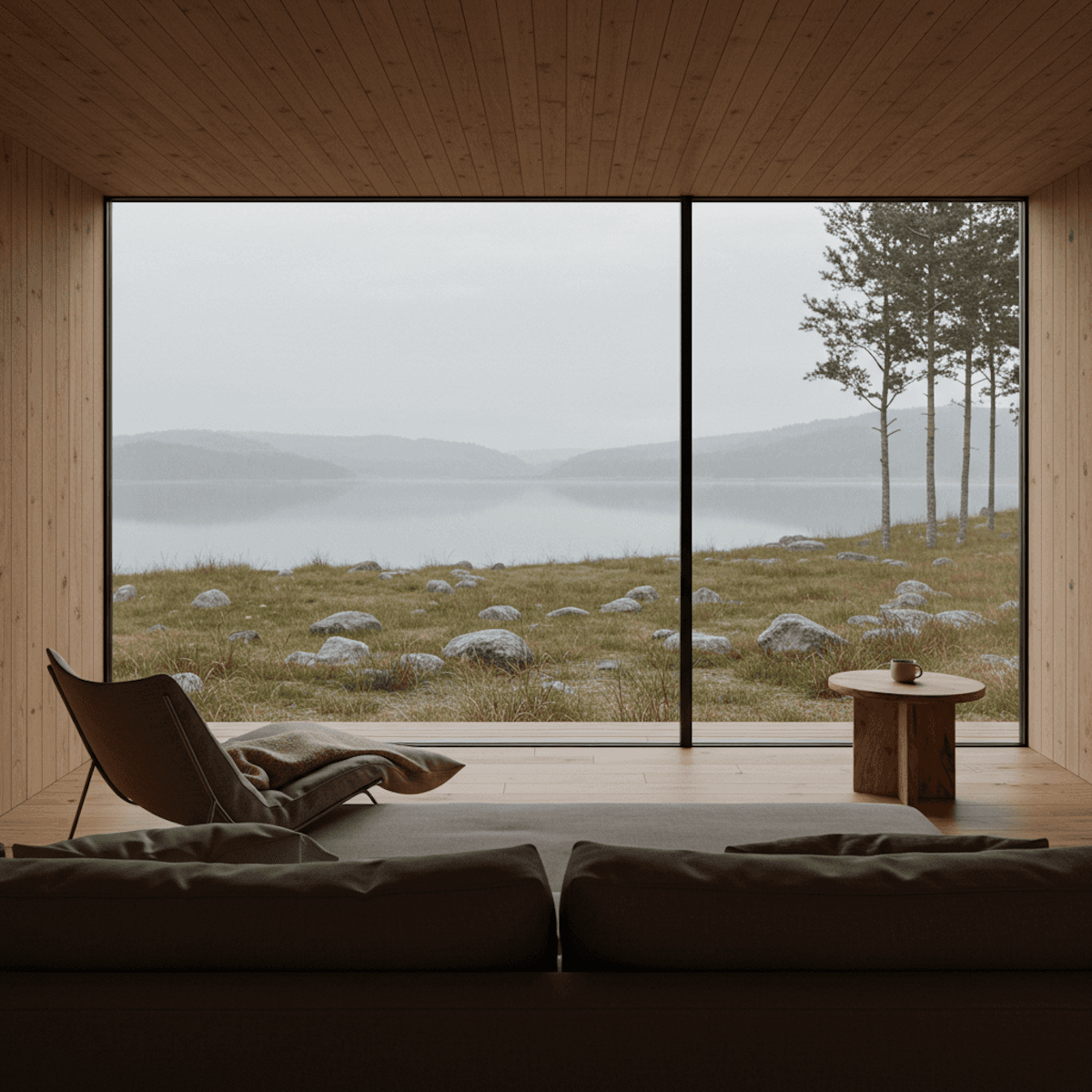
In silent spaces, light becomes a central voice. Natural daylight changes the tempo of a room, from morning stillness to golden hour calm. The shadows tell stories. By designing for light—not just artificial illumination but the rhythm of the sun—we foster awareness and connection.
Conclusion: Stillness as luxury
In design, silence is not emptiness—it’s generosity. It gives space back to the dweller. As cities grow louder and lives grow faster, the ability to create interiors that hold stillness is a luxury—and perhaps, a necessity.
Previous article
Next article